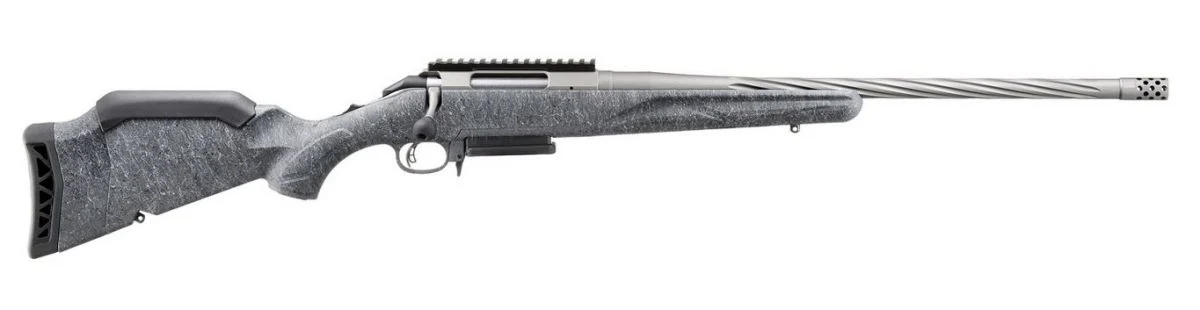
Montana Deer Hunting Guide for 2026
Montana is one of the best deer states in the West. Mule deer roam the breaks, badlands and high basins, while whitetails thrive in river bottoms, farm country and the timbered northwest. This guide covers the 2026 seasons, licenses, lawful firearms and where to look for public ground, with the official FWP sources behind each point. When you are ready to gear up, browse rifles, ammunition and optics or see how our Montana gun shop ships firearms to a local dealer.
2026 deer season dates
- Archery only: Sept. 5 to Oct. 18.
- Youth deer hunt: Oct. 15 to 16, a two-day hunt for youth hunters.
- General rifle season: Oct. 24 to Nov. 29.
- Backcountry HDs 150, 280 and 316: general season Sept. 15 to Nov. 29.
- Muzzleloader heritage and shoulder seasons: check the current FWP regulations.
These are the statewide general dates. Many hunting districts have their own permit, antlerless and species rules, so always read the district page before you hunt.
Licenses
Montana residents need a conservation license, a base hunting license and a general deer license. FWP's 2026 booklet lists the resident general deer license at $16. Resident deer hunters are limited to three deer licenses per license year, which may be a general license and B licenses. Deer permits and B licenses are available by drawing in many districts; the 2026 deadlines were April 1 for permits and June 1 for B licenses. Nonresidents apply through the deer or big game combination drawing.
Anyone born after Jan. 1, 1985 must show proof of hunter education before buying a hunting license. Bowhunters also need a bow and arrow license and bowhunter education or a prior archery license.
Lawful firearms
FWP says rifles, handguns, shotguns with slugs or 0/00 buckshot, muzzleloaders, archery gear and crossbows are lawful for game animals, and there is no rifle or handgun caliber limit or magazine limit. Scopes with illuminated reticles, built-in rangefinders and red dots are allowed.
Some districts contain weapons restriction areas, where hunters may use only archery equipment, crossbows, shotguns, muzzleloaders or traditional handguns. The heritage muzzleloader season has its own strict rules, including a traditional side-lock muzzleloader of at least .45 caliber with no optical magnification.
Good deer rifles
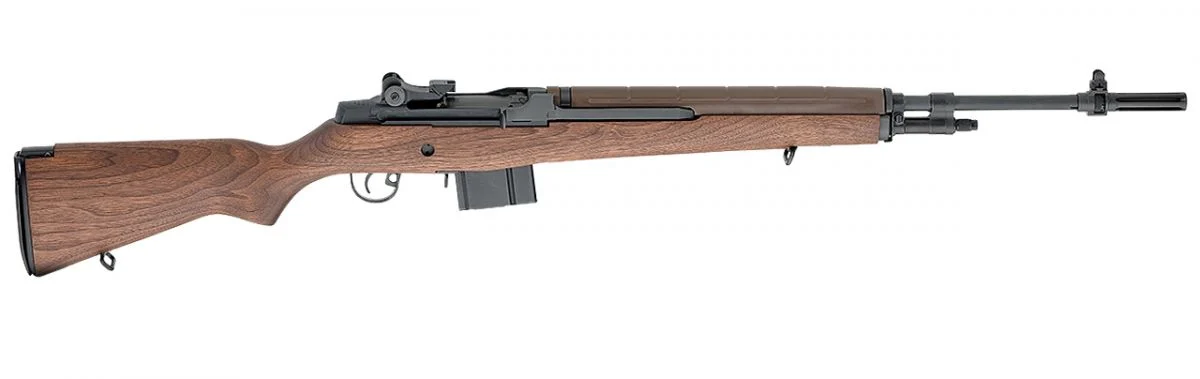
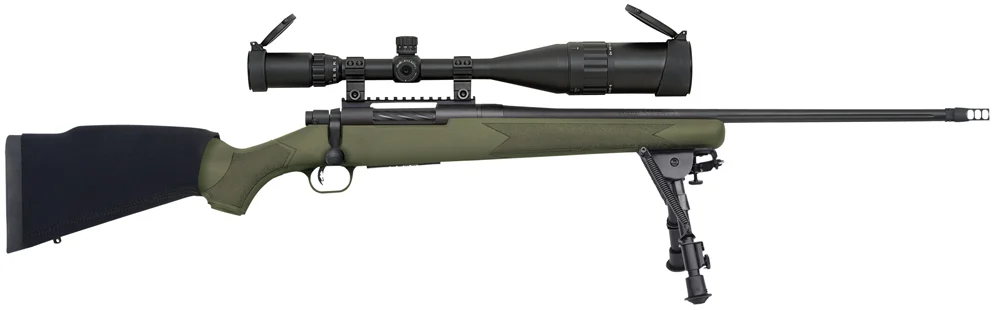
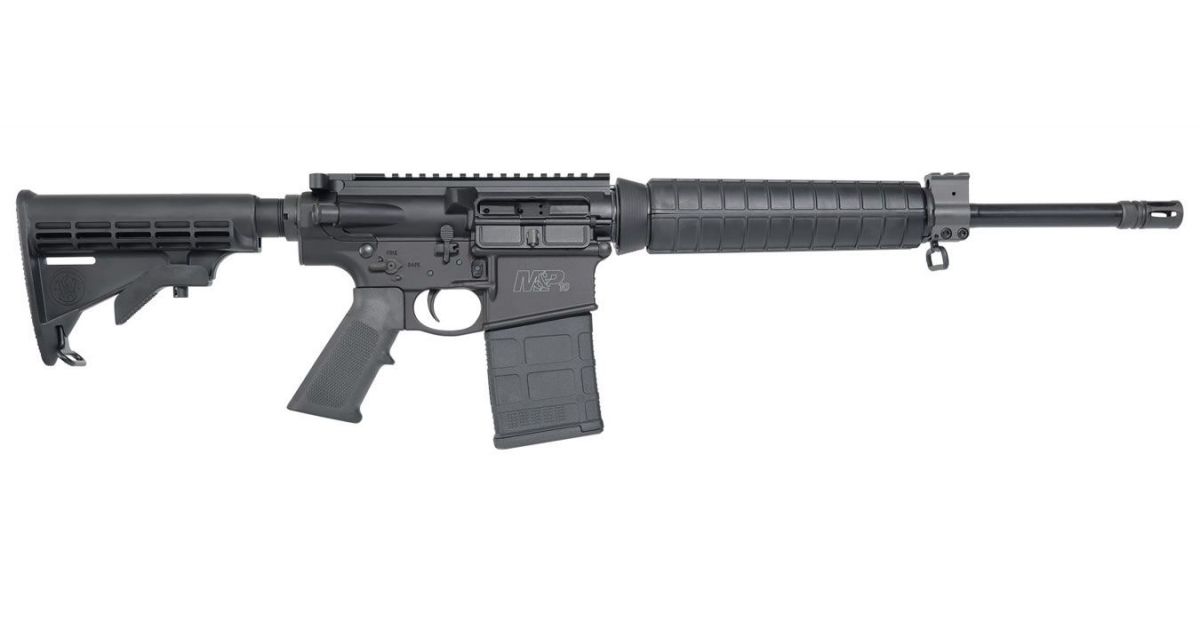
- Prairie mule deer and antelope: flat-shooting rounds such as the .243 Winchester, 6.5 Creedmoor, .270 Winchester and .25-06 are popular in eastern Montana, where shots can be long and wind is constant.
- Timber whitetails: in the Flathead and Kootenai country, shots are often short. A handy rifle in .308, 7mm-08 or .30-06 with a low-power scope works well.
- Deer and elk with one rifle: many hunters carry an elk-capable rifle all season. See our Montana elk rifle guide.
Where to hunt
Montana is divided into seven FWP administrative regions and many numbered hunting districts. District numbers start with the region number, so HD 590 is in Region 5 around Billings and HD 703 is in Region 7 around Glendive.
- Northwest (Region 1): whitetails and black bear in thick forest on the Kootenai and Flathead national forests.
- West-central (Regions 2 and 3): mountain mule deer and whitetails near Missoula, Hamilton, Butte, Bozeman and Dillon.
- North-central (Region 4): mule deer in the Missouri River Breaks and whitetails along creek bottoms.
- Hi-Line (Region 6): prairie mule deer and whitetails near Havre, Glasgow and Wolf Point.
- Southeast (Regions 5 and 7): badlands mule deer and river-bottom whitetails near Billings, Miles City, Glendive and Sidney.
Public access
National forest and BLM land cover much of western and central Montana. State trust land is open for many recreational uses with the right license. In the east, where private land dominates, FWP's Block Management Program pays landowners to allow free public hunting on enrolled ground under ranch rules. Check the Block Management maps and rules each year. Much of Montana's reservation land is tribal land with its own hunting rules.
Scouting and timing
Early archery hunters often find deer on summer range, feeding at the edge of alfalfa or high in open basins. As the general season opens in late October, cold weather and snow push mule deer lower, and whitetail activity rises around the November rut. Many of the best days for mature bucks fall in the last two weeks of the general season, when snow makes tracks easy to read and bucks are moving. Spend time glassing at first and last light, and learn the terrain on a map before you walk it. In the east, knock on doors early, since many landowners set hunter numbers before the season opens.
Field care
Warm October afternoons can spoil meat quickly. Field dress promptly, cool the carcass, and follow FWP rules on carrying evidence of sex and species. If you hunt in an area with chronic wasting disease rules, check what parts you may move and where you can get a deer tested.
Safety and ethics
- Wear at least 400 square inches of hunter orange above the waist when hunting with a firearm.
- Know the land status under your feet; the FWP Hunt Planner and onX-style maps help.
- Do not shoot from or across a public road.
- Know chronic wasting disease rules for moving carcasses out of certain areas.
- Sight in and practice at a public range before opening day.
Getting your rifle
Montana has no state purchase permit or waiting period. When you order a rifle online, it ships to the licensed dealer you choose, where you complete Form 4473 and a NICS background check. Ammunition and optics can ship to your door. Read how to buy a gun online in Montana and our Montana gun laws overview before you order.
This page is general information, not legal advice. Season dates, quotas and district rules change every year; check the current Montana FWP regulations at fwp.mt.gov before you hunt.
General information, not legal advice. Current as of September 2026. Laws change; check the official source before you act.