Choosing an Elk Rifle for Montana
Elk are the reason many Montanans buy a new rifle. The animals are big, tough and often shot across a canyon or at the edge of dark timber, and the country they live in punishes heavy gear. This guide covers what Montana FWP allows for elk, how the 2026 seasons are set up, and how to choose a rifle, cartridge and optic that fit the way you hunt. Browse rifles and optics in the catalog or read how our Montana gun shop ships to your local FFL dealer.
What FWP allows for elk
The 2026 FWP deer, elk and antelope regulations say rifles, handguns, shotguns with slugs or 0/00 buckshot, muzzleloaders, archery equipment and crossbows are lawful for taking game animals. FWP sets no rifle or handgun caliber limit and no magazine or round capacity limit for game animals. Rifle scopes with illuminated reticles, built-in rangefinding and red dot sights are also lawful.
That freedom puts the responsibility on you. A cartridge that is legal is not always a good elk cartridge, and ethical hunters pick a combination that will reliably put a well-built bullet through the vitals of a large bull at the distances they plan to shoot.
Weapons restriction areas
Some hunting districts include weapons restriction areas, often near towns or on the edge of farmland. In those areas FWP limits hunters to archery equipment, crossbows, shotguns, muzzleloaders or traditional handguns. A traditional handgun, under the FWP definition, cannot be shoulder mounted, has a barrel under 10.5 inches and fires a straight-wall cartridge not originally developed for rifles. Check the district pages in the current regulations before you pack a rifle.
2026 elk seasons
- Archery only: Sept. 5 to Oct. 18.
- General season: Oct. 24 to Nov. 29.
- Backcountry districts 150, 280 and 316: general season Sept. 15 to Nov. 29, with archery Sept. 5 to 14 in HDs 150 and 280.
- Shoulder seasons and the muzzleloader heritage season: dates vary; check the current FWP regulations.
Montana residents buy a general elk license, and many districts also offer drawing permits and antlerless B licenses. Nonresidents apply through the combination license drawing. FWP's 2026 booklet lists the resident general elk license at $20, with a conservation license and base hunting license required first.
Choosing a cartridge
Montana elk hunting ranges from close shots in lodgepole thickets to long shots across open sage parks. Your cartridge should match the longest shot you will honestly take.
- Classic all-rounders: the .270 Winchester, .280 and .30-06 Springfield have taken elk in Montana for generations. With premium bullets, they handle most elk hunting inside 400 yards.
- Short actions: the .308 Winchester, 7mm-08 and 6.5 Creedmoor are light and mild to shoot. They work well for hunters who pick their shots, with good bullets, and the lower recoil helps many shooters place hits better.
- Magnums: the 7mm Remington Magnum, .300 Winchester Magnum and similar rounds add reach and energy for open country, at the cost of recoil and ammunition price.
Bullets matter more than headstamps
For elk, choose a bonded, partition or monolithic copper bullet designed for deep penetration. A fragile varmint or match bullet can fail on a heavy shoulder. Buy several boxes of the same load, sight in with it, and hunt with it.
Choosing a rifle
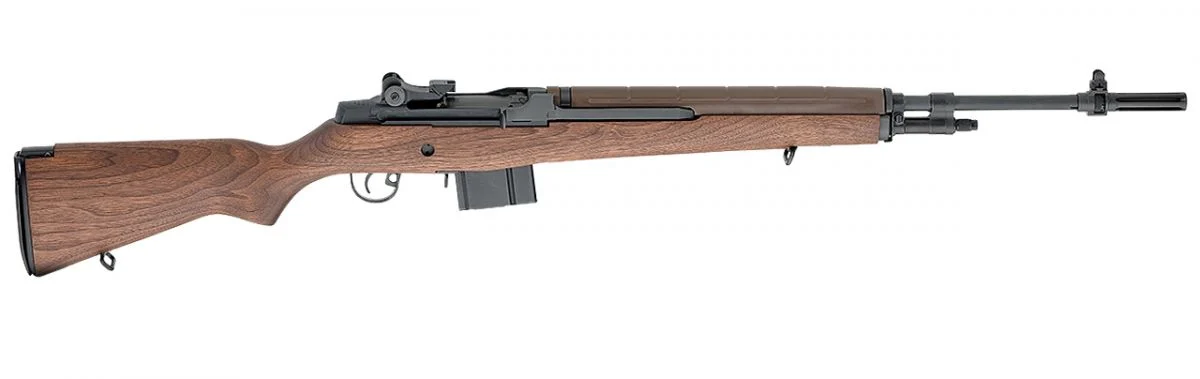
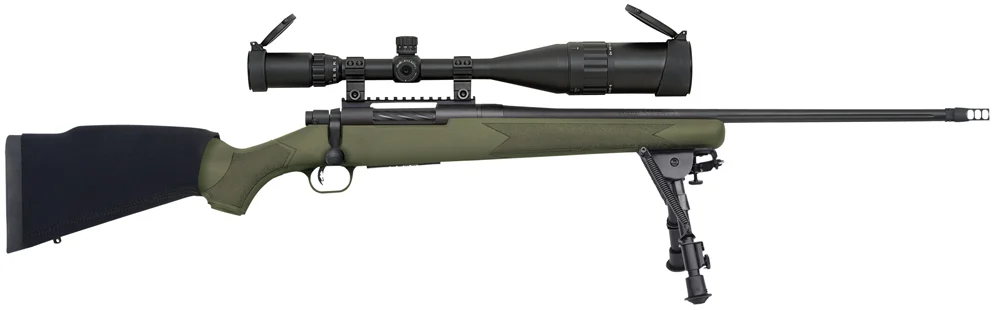
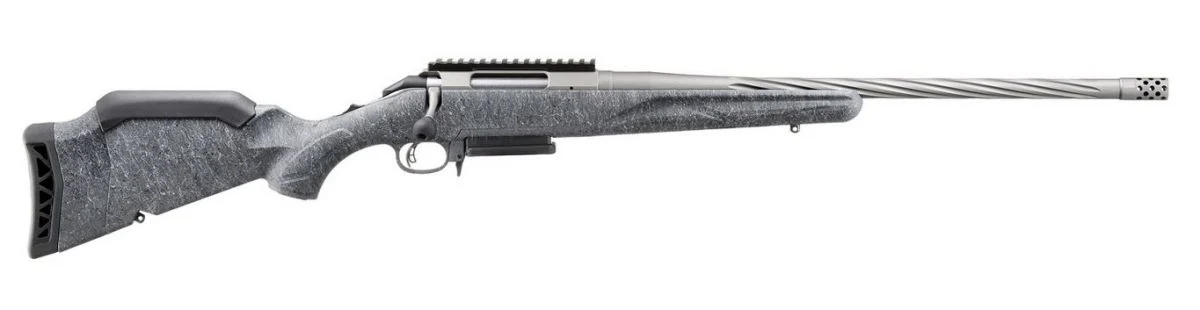
Most Montana elk hunters carry a bolt-action rifle. Bolt guns are accurate, reliable in cold weather and simple to fix in the field. Things to weigh:
- Weight: a rifle that weighs 7 to 8 pounds with a scope is easier to carry up a ridge than a heavy target rifle.
- Stock: synthetic stocks shrug off snow and rain better than wood.
- Finish: stainless or coated metal resists rust after a wet week in camp.
- Trigger: a clean, predictable trigger helps you shoot well from field positions.
Optics for elk country
A 3-9x, 3-15x or 4-16x scope covers almost every Montana elk hunt. Low power helps in timber, and higher power helps at long range. A scope with a simple reticle and a turret you trust is better than a complex one you never practice with. Add a rangefinder and a good binocular; you will spend far more time glassing than shooting.
Practice before the season
Sight in at a public range, then practice from sitting, kneeling and prone positions, and off a pack. Montana FWP owns several public ranges, including the Deep Creek range near Missoula, the Whittecar range near Hamilton, the Havre range and the Glendive range. Know your holdover at 200, 300 and 400 yards, and set a personal distance limit based on how you actually shoot.
Cold, weight and field care
Late-season elk hunts in Montana can run well below zero. Clean excess oil from the action before a cold hunt, since thick lubricant can slow a firing pin. Carry spare ammunition in a pocket rather than a cold pack, keep a scope cover or lens cloth handy for snow, and check your zero after any fall or long truck ride on a rough road. Think about the pack-out, too. A bull elk can weigh far more than any deer, and once it is down you may make several trips. A lighter rifle and sling leave more room in your pack for meat, game bags and water.
Hunter orange and hunter education
Firearm hunters in Montana must wear at least 400 square inches of hunter orange above the waist, visible at all times. Anyone born after Jan. 1, 1985 must show proof of hunter education before buying a hunting license. For the full legal picture see our Montana gun laws guide, and for mule deer and whitetails see the Montana deer hunting guide.
This page is general information, not legal advice. Season dates, quotas and district rules change every year; check the current Montana FWP regulations at fwp.mt.gov before you hunt.
General information, not legal advice. Current as of September 2026. Laws change; check the official source before you act.